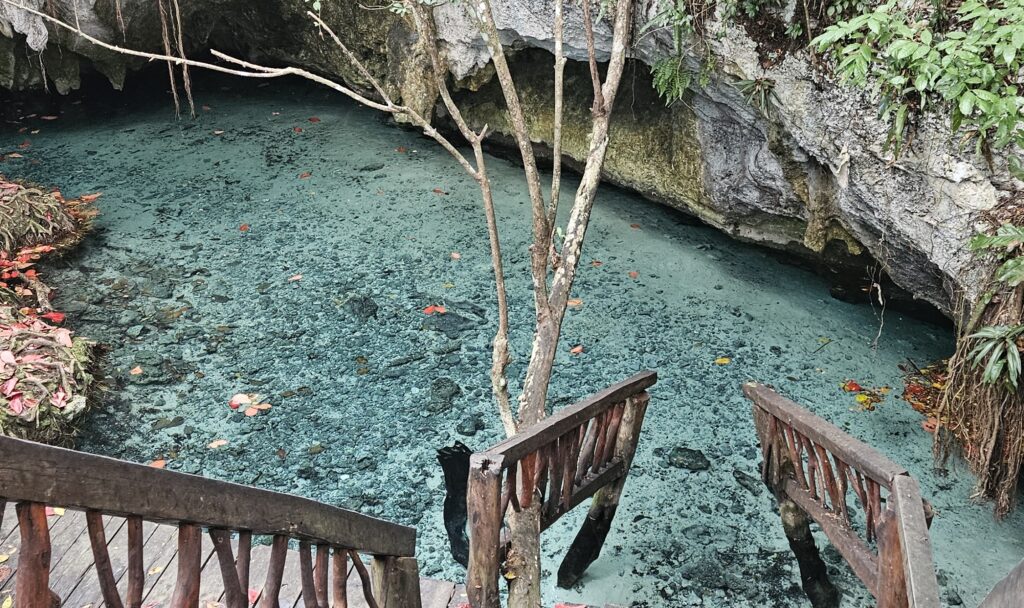
Popular cenotes close to Tulum with entrance fees vary widely, typically between MXN 100 (≈ USD 6 / CAD 7) and MXN 500 (≈ USD 28 / CAD 36) per person depending on the site, season, and whether you rent snorkel gear. This quick guide and the compact comparison below help you match price to your planned activity, whether snorkeling, diving, or cliff jumping. All MXN to USD conversions assume 1 USD = 18 MXN; MXN to CAD conversions use 1 CAD = 14 MXN. Verify local prices before you go.
What you need to know
Quick points to keep in mind when comparing popular cenotes close to Tulum with entrance fees. Use the list below to match costs to activities and avoid surprises at the gate.
- Typical costs: Entrance fees generally range from MXN 100 to MXN 500 (≈ USD 6–28, CAD 7–36). Add snorkel rentals of MXN 80–200 (≈ USD 4–11, CAD 6–14) when estimating your per-person budget.
- Match activity: Choose a cenote that fits your plans, such as Casa Cenote for snorkeling, Dos Ojos for diving, Calavera for cliff jumping, or Gran Cenote for family swimming. Equipment and fees differ by activity, so confirm whether guided dives or special access carry extra charges.
- Inclusions versus extras:Many sites include life jackets, parking, and showers. Fins, lockers, photography, and guide or diving fees are often extra.
- Cash vs Card: Verify accepted payment methods on arrival. Most places take credit card payments, but some may charge up to 5% extra. If paying by cash, most places will only take MXN and some may also take USD, but change will be provided in MXN.
- Time versus price:Factor travel time from Tulum centro into any comparison. A cheaper, distant cenote can end up costing more when transport and time are added.
At-a-glance comparison: cenotes near Tulum that fit your budget
Scan the table below to compare entrance fees, rental costs, driving times, and amenities at a glance, so you can choose by price, activity, travel time, or transport without switching between sources. Our at-a-glance table lists each cenote with its entrance fee in MXN and approximate CAD and USD (assumes 1 CAD = 14 MXN and 1 USD = 18 MXN), driving time from Tulum centro, included amenities, typical rental fees, accepted payment methods, best time to visit, and recommended transport. Confirm current rates before you go, since camera or locker fees can affect the final total.
| Cenote | Entrance Fee (MXN/CAD/USD) | Amenities | Driving Time from Tulum Centro | Best Time to Visit | Best Way to Get There |
|---|---|---|---|---|---|
| Casa Cenote (Manatí/Cristalino) | 200–600 / 14–43 / 11–33 | Mangrove snorkeling, showers, parking | 10–15 min | Late morning | Bike, car, colectivo |
| Dos Ojos | 300–600 / 21–43 / 17–33 | Cave snorkeling, dive facilities, parking, showers | 15–20 min | Early morning | Car, colectivo |
| Cenote Calavera | 150–350 / 11–25 / 8–19 | Cliff jumping, photo spots, showers | 5 min | Early | Bike, car |
| Gran Cenote | 500–800 / 36–57 / 28–44 | Shallow areas, turtles, lockers, showers | 10-15 min | 8–10 AM | Bike, car |
| Cenote Casa Tortuga | 300–700 / 21–50 / 17–39 500-600 / 35–43 / 27–35 | Swimming, ziplining, snorkeling, cliff jumping, life jackets, showers, parking | 20-25 min | Midday | Car, colectivo |
| Cenote Carwash (El Carwash) | 100–350 / 7–25 / 6–19 | Rope swings, open water, parking | 10–15 min | Morning | Bike, car, colectivo |
| Cenote Azul | 100–350 / 7–25 / 6–19 | Family-friendly, shallow swim areas, parking | 20–30 min | Early | Car, colectivo |
- Best snorkeling: Casa Cenote (Cenote Manatí / Cristalino) offers mangrove snorkeling and easy water access. Budget around MXN 200–600 per person depending on rentals and transport.
- Best diving: Dos Ojos is the main site for certified cave dives, which require documentation and guides. Guided cave dives typically cost MXN 1,500–3,000 per person, while surface access for snorkelers runs about MXN 300–600.
- Best cliff jumping: Cenote Calavera has quick access for jumps and photos. Expect roughly MXN 150–350 per person.
- Family-friendly: Gran Cenote suits families with shallow areas and turtles. Plan for about MXN 500–800 per person including basic rentals and short transport.
- Best all-in-one stop: Cenote Casa Tortuga combines swimming, ziplining, snorkeling, cliff jumping, and cave exploration with life jackets, showers, and parking included. Budget around MXN 300–700 per person depending on rentals, activities chosen and transport.
- Best budget options: Cenote Carwash (El Carwash) and Cenote Azul, and Cenote Casa Tortuga are among the more affordable choices. Count on roughly MXN 100–350 per person.
Detailed cenote profiles: fees, rentals, rules and travel times
Seven concise profiles follow to help you match cost, travel time, and activities. Each entry gives an estimated entrance fee in MXN, CAD and USD, what is usually included, typical rental extras, driving time from Tulum centro, a recommended visit window, and a short verdict.
Gran Cenote: Gran Cenote charges about MXN 500 for adults (≈ CAD 36 / USD 28) and roughly MXN 250 for children (≈ CAD 18 / USD 14), though exact rates vary. The fee usually covers access and life jackets, while lockers, photography, and snorkel rentals (MXN 100–160, ≈ CAD 7–11 / USD 6–9) are extra. It is 5–7 km from Tulum centro, a roughly 10-minute drive, and is best early (8–10 AM) to avoid crowds.
While the entrance fee leans toward the higher end for a single cenote, snorkeling alongside resident turtles and lounging in hammocks on the spacious grassy lawn add real value. Budget-conscious visitors should weigh whether the serene ambiance and wildlife encounters justify the premium.
Casa Cenote (Cenote Manatí / Cristalino): Casa Cenote typically charges MXN 200–350 for entry (≈ CAD 14–25 / USD 11–19) and often includes parking and basic facilities. It is excellent for snorkeling among mangroves, but snorkel and photography fees can apply, so ask about camera charges before shooting. The cenote is 10–15 minutes from Tulum centro and offers good light for photos in late morning.
Dos Ojos: Dos Ojos charges about MXN 300–450 for surface access (≈ CAD 21–32 / USD 17–25), while guided cave dives require certification and add significant fees. Guided cave dives typically require documentation, and tanks and instructor fees push totals into the MXN 1,500+ range (≈ CAD 108+ / USD 83+). The site lies 15–20 minutes from Tulum centro; arrive early to avoid dive groups and long waits, and expect a modest snorkeler visit to be under MXN 600 (≈ CAD 43 / USD 33).
Cenote Calavera: Cenote Calavera has entrance fees around MXN 150–250 (≈ CAD 11–18 / USD 8–14) and offers easy access for cliff jumping and quick photo stops. It can have short queues at peak times, so plan an early visit. Located about five minutes from Tulum centro, it works well as a quick morning stop.
Cenote Carwash (El Carwash): Cenote Carwash charges roughly MXN 100–250 (≈ CAD 7–18 / USD 6–14) and attracts swimmers with rope swings and open water. Rentals are limited, making it a practical family option for easy swimming and photos. The drive from Tulum centro takes about 10–15 minutes, and shared transport keeps costs low.
Cenote Azul: Cenote Azul typically charges MXN 150–300 (≈ CAD 11–21 / USD 8–17) for entry and provides parking and basic facilities. It sits about 20–30 minutes from Tulum centro, so add extra travel time for a return trip and arrive early to secure parking. A mid-range per-person budget of MXN 400–600 (≈ CAD 29–43 / USD 22–33) usually covers entry, rentals, and light refreshments.
Cenote Casa Torguga: Cenote Casa Torguga has 4 different cenotes and charges around MXN 500-600 (≈ CAD 35–43 / USD 27–35) for entry, which typically includes a mandatory guide, parking and life jackets, while lockers, snorkel and photography rentals (MXN 80–150, ≈ CAD 6–11 / USD 4–8) and tips are extra. Buffet lunch and optional ziplining, ATV rides, and kayaking are available for an additional fee. The cenote’s open-air pool with hanging vines is ideal for relaxed swims and photos. It lies about 18 km from Tulum centro—a 20–25 minute drive—and is best visited mid-morning (10–12 PM) to enjoy soft light and fewer visitors.
How to calculate your total visit cost (simple formulas and examples)
Keep the math simple: total cost equals base admission plus rentals, transport, and extras. Base is the cenote entrance fee; rentals include snorkel, fins, life jacket if needed, and locker, while transport covers bike, colectivo, taxi, or shuttle. Ask for a full price breakdown at the kiosk to avoid surprises.
Low-budget example:bike (MXN 100), pay MXN 150 entrance, bring your own snorkel and buy snacks for MXN 80, and use a MXN 40 locker. That totals about MXN 370 (≈ CAD 26 / USD 21).
Mid-range example: two entrances at MXN 500 each, two snorkel rentals at MXN 150 each, colectivo or taxi for MXN 300, and lunch for MXN 300. Expect roughly MXN 1,900 (≈ CAD 136 / USD 106).
High-end example: private shuttle (MXN 3,500), guided dives at MXN 1,500 per person, a photographer for MXN 2,500, and MXN 500 entrances per person add up quickly. Split among four people, that comes to about MXN 3,500 per person or MXN 14,000 total (≈ CAD 1,000 / USD 780).
Typical transport costs run from bike or scooter rentals at MXN 100–600 per day to colectivos at MXN 30–50 per person. Taxis are usually MXN 200–500 one-way, rental cars start around MXN 600 per day, and private shuttles range MXN 1,500–4,000. Driving times are short—Gran Cenote around 10 minutes, Dos Ojos 15–20 minutes, Casa Cenote 10–15 minutes—and sharing a ride cuts per-person fees.
Rules, safety and extra charges to watch for
Cenote etiquette and rules aim to protect visitors and the water. Many sites ban sunscreen and require a quick rinse in an outdoor shower before entering, and life jackets are mandatory in deeper areas. Some operators provide jackets free while others charge, so factor a small fee into your budget and bring a rash guard to avoid renting one.
Hidden fees can include camera or tripod charges (MXN 100–500), lockers (MXN 30–100), parking (MXN 20–100), and mandatory guide or rescue fees at some sites. Cave diving requires formal certification and specialized guides, which raises both cost and complexity compared with snorkeling. Introductory dives are cheaper than full cave explorations but still add several thousand MXN. Allow 30–60 minutes for paperwork and briefings when booking dives.
Money-saving strategies and booking tips
A few practical steps will cut costs without reducing the experience. Arrive early on weekdays or during shoulder months to reduce waits, avoid time-slot surcharges, and enjoy clearer water.
Split transport and rental costs by sharing taxis, pooling gear, or asking for combo rates when visiting multiple cenotes. At the kiosk, ask whether group or combo pricing is available and divide the total to see the savings. For organized tours or admission tickets you can also check reputable tour listings and ticket options to compare fixed-price packages.
Sample one-day Tulum cenote itineraries and final checklist
Here are three realistic one-day itineraries showing timing, likely costs, and what to pack. Treat them as templates you can swap around by changing a cenote or transport option.
Low-budget plan: bike or take a colectivo to Cenote Calavera for an early jump-in and photos, arriving at opening to beat crowds. Spend 60–90 minutes exploring, bring your own snorkel and water, and expect total outlay of about MXN 100–300 depending on rentals. Allow 30–45 minutes for travel each way to keep the day flexible.
Mid-budget plan:Gran Cenote in the morning for clearer water and turtles, then Casa Cenote in the afternoon for mangrove snorkeling and calmer currents. Use a scooter or short taxi between stops, factor in mask and snorkel rentals when needed, and plan a sit-down lunch in Tulum pueblo. Budget roughly MXN 800–1,400 depending on rentals and food, and start early to avoid lines at Gran Cenote.
High-budget plan: private shuttle, a guided dive or a dedicated snorkeling guide at Dos Ojos, and a professional photographer for high-quality images. Expect premium days to run MXN 3,000+ per person depending on guide fees, dive gear, and transport. This suits travelers who want personalized timing, dive safety briefings, and curated photos.
Compact packing checklist and quick dos and don’ts to avoid emergency purchases and respect conservation rules. Follow these items to save money at the gate and protect the cenote ecosystem.
- Cash in MXN, ID, and printed booking confirmations. Bring small bills for entry, rentals and tips, and keep ID handy for dive paperwork.
- Rash guard or lightweight long-sleeve, water shoes, and a quick-dry towel. These protect from sun and scrapes and help avoid renting costly gear.
- Dry bag, waterproof phone bag or underwater camera, small first-aid kit, your own snorkel if available. A dry bag protects electronics, a phone bag allows you to take photos in the water with your phone, and a basic first-aid kit covers minor scrapes.
- Use reef-safe alternatives only where allowed and ask staff before applying oils or sprays. Avoid applying sunscreen in the water unless staff explicitly permit it.
Shower before entering, respect posted signs and barriers, and always ask about rental terms before using equipment.
Choose the right cenote for your budget
Match price, activity, and travel time to decide between a quick swim near town or a slower, immersive cenote escape. Compare price and travel time together, include rentals, parking, and food in your cost estimate, and respect local rules to avoid unexpected fees. See the at-a-glance picks, pick a cenote that fits your schedule and budget, and either book transport or set aside the cash you need.
Leave a Reply