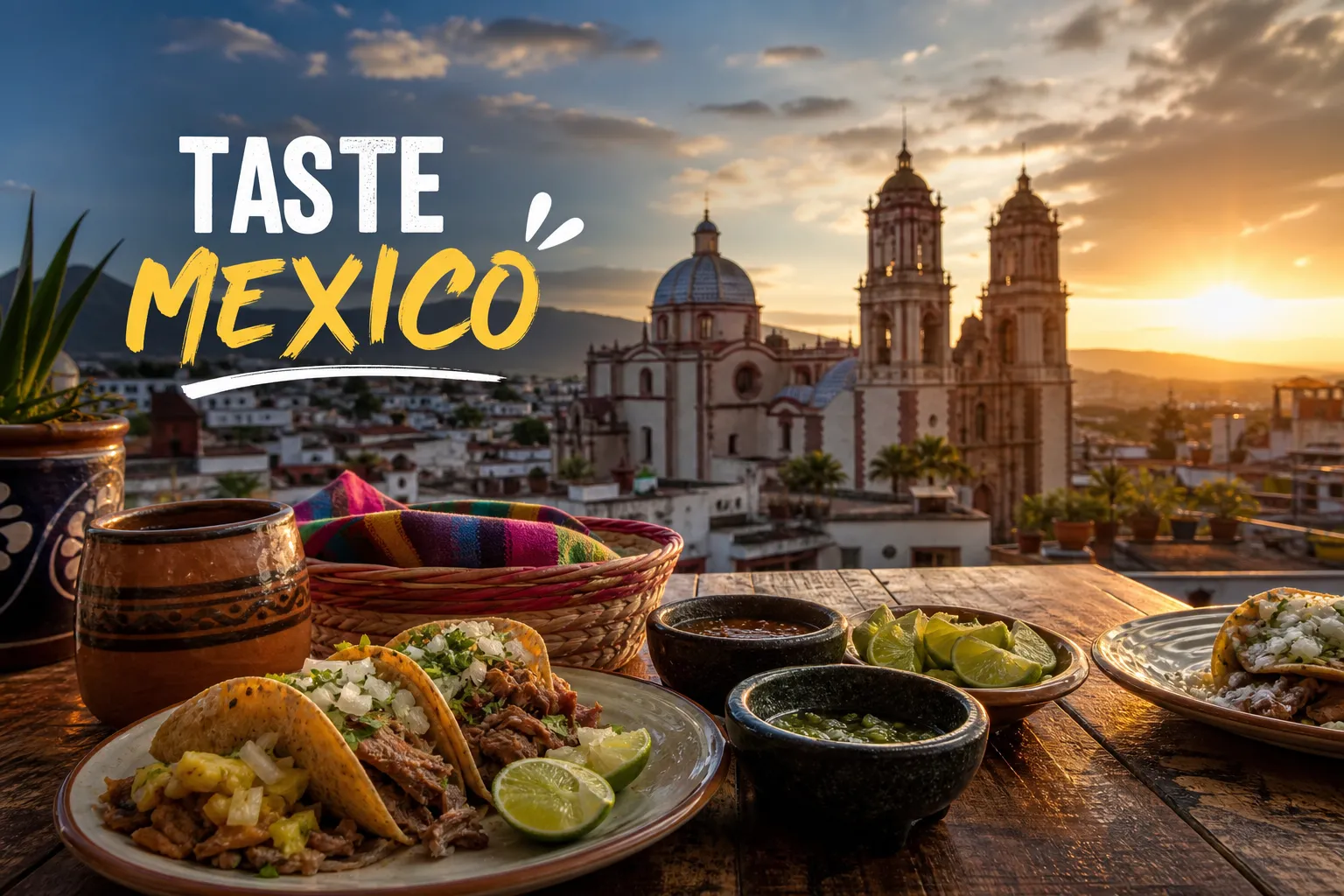
If you’ve ever wondered, “How do I plan a food-focused itinerary in Mexico?” you’re already asking the right question, and most travelers never get there. Many stick to restaurants within walking distance of their hotel, come home raving about tacos they stumbled into, and never realize that the region they passed through holds one of the most layered food cultures on earth. Mexico’s cuisine earned UNESCO Intangible Cultural Heritage recognition for good reason: a single state can contain multiple distinct culinary traditions, each tied to specific ingredients, indigenous techniques, and centuries of history that no resort buffet will ever touch.
Building a genuine culinary itinerary for Mexico requires the same intention you’d bring to any serious trip. You choose the right cities first, understand how and when Mexicans actually eat, and decide whether a guided tour or self-directed exploration better fits your style and timeline. At The Curious Atlas, the Yucatan culinary guides were built on exactly this kind of deliberate pre-trip research, mapping out market timing and regional specialties by town rather than defaulting to “best restaurants in Cancun.” That depth of preparation is the difference between eating your way through a destination and simply eating near it.
This guide walks through the full process, from matching your food priorities to the right Mexican region to structuring individual days around how locals actually eat.
How to Plan a Food-Focused Itinerary in Mexico: Choosing the Right Cities and Regions
The most common mistake food travelers make is building a city list first and adding food as an afterthought. The more effective approach works in reverse: identify the experiences you most want, complex mole, pit-roasted pork, Pacific seafood, fermented corn drinks, or chocolate in its rawest form, and then work backward to the regions where those traditions are strongest.
Mexico City is the clearest starting point for breadth. The Roma Norte and Condesa neighborhoods offer a concentrated crawl through tacos de guisados, tlacoyos, and quesadillas, while La Merced market delivers the sensory overload of a city-scale food system in one sprawling building. What to eat in Oaxaca is a question worth spending days answering: food writers and chefs across Mexico consistently point to Oaxaca as the country’s culinary capital, and for good reason. It’s the place for mole in its multiple forms, tlayudas, Oaxacan cheese, mezcal, and chapulines. Puebla is the home of mole poblano and deserves at least two to three days on any culinary-focused trip through central Mexico.
Further afield, Guadalajara and Mérida offer completely different registers. Guadalajara is birria country, with Mercado Libertad as the obvious anchor for tapatío food culture. Mérida, the gateway to the Yucatan Peninsula, is where cochinita pibil, sopa de lima, panuchos, and the broader Maya-influenced food tradition come into sharp focus. Veracruz operates on its own Gulf Coast logic, built around huachinango a la Veracruzana, arroz a la tumbada, and seafood cooked with tomatoes, olives, and capers in a way that reflects centuries of Spanish and Afro-Caribbean influence.
Trip length should shape which regions you cover. A three-day trip calls for one city done thoroughly. A seven-day trip handles two cities well, Mexico City plus Oaxaca, or Mérida paired with Valladolid. Rushing three or four cities in a week means you end up eating at tourist-facing restaurants by default, because you never have enough time on the ground to find the real spots.
How to Research Local Markets and Regional Specialties Before You Leave Home
The research phase is where most food-focused trips either succeed or stall. Generic travel sites hand you a list of “top restaurants” ranked essentially by tourist volume. What you actually need is state-level culinary intelligence: the key ingredients that define the cuisine, the names of the specific markets worth visiting, which dishes are hyperlocal versus widely available, and what the typical vendor setup looks like so you know what you’re walking into.
Sources Worth Trusting
State tourism boards are an underappreciated starting point for this level of detail. Food-focused travel blogs that specialize in specific regions give you something mainstream travel sites can’t: market timing, which stalls have prepared-food sections, and which neighborhoods locals actually eat in versus which ones cater almost exclusively to visitors. Cross-reference those sources with recent TripAdvisor threads and local food community pages for ground-level updates.
Vendor Signals and Market Vetting
When vetting a market from a distance, look for a few practical signals. Does it primarily serve locals or tourists? What kind of vendors dominate the stalls? Does it have a prepared-food section? What are the actual operating hours, not the ones listed on a three-year-old blog post? Google Maps combined with recent Instagram location searches gives you a current read on whether a market is still active and what the energy looks like on a typical morning, though it’s worth cross-checking with local sources before you commit a full morning to it.
Market Timing
Most Mexican food markets see their strongest activity from morning through early afternoon, with prepared-food sections often selling out well before the evening. Researching specific hours for each market on your list before you leave home saves real time once you’re on the ground. The Curious Atlas Yucatan culinary guides were assembled around exactly this kind of pre-trip groundwork, flagging cenote-side vendors worth stopping at, identifying the Mérida market windows most travelers miss, and mapping regional specialties by town rather than by city. That’s the standard worth aiming for when you research any Mexican region. For planning nearby regional side trips like Las Coloradas, see How to Plan Your Trip to Las Coloradas Mexico | The Curious Atlas.
Food Tours vs. Self-Guided Exploration: Knowing Which Approach Fits Your Trip
The honest answer comes down to how much time you have and how much pre-trip research you’ve done, and neither approach wins automatically.
Guided food tours in Mexico City deliver the most value on day one or two in an unfamiliar city. Operators like Sabores México (from USD 110 for a historic center tour), Eat Like a Local (USD 120 for a markets and street food tour), and Club Tengo Hambre run well-structured routes through neighborhoods and vendors that would take days to locate independently. A good guide opens doors, to preparation styles, market vendor relationships, and neighborhood dynamics that aren’t in any guidebook. In Oaxaca, operators like Oaxaca Eats Food Tours offer four-hour walking tours with up to 15 tastings spanning mole, mezcal, chocolate, and chapulines. Culinary Backstreets runs a nighttime Oaxaca tour that focuses on local spots that don’t surface in daylight food crawls.
Self-guided exploration rewards travelers who arrive prepared. Knowing the names of specific dishes in Spanish, understanding when a market’s best vendors are most active, and having a neighborhood-by-neighborhood eating plan makes independent exploration not only effective but genuinely more satisfying. You move at your own pace, spend less money, and follow curiosity rather than someone else’s schedule.
For practical booking: many quality Mexico City food tours cap groups at 10 to 20 people, run three to five hours, and include multiple tastings. Book directly through the operator’s website or a verified booking platform. Confirm what’s included, tastings, drinks, and market entrance fees, before paying. A tour that lists “food included” without specifying what or how many stops is a yellow flag.
How to Plan a Food-Focused Itinerary in Mexico: Daily Scheduling and Market Hours
Mexican meal culture runs on a different clock than North American conventions. Ignoring that detail means arriving at markets when they’re shutting down or sitting in an empty restaurant at 6pm wondering where everyone went.
The traditional rhythm moves through desayuno (early breakfast, typically 7 to 10am), almuerzo (a late-morning snack or brunch-style meal), comida (the main meal, usually 2 to 4pm), and cena (a lighter evening meal, typically between 7 and 9pm or later). Comida is the anchor. A food-focused itinerary should plan its most significant eating experience around mid-afternoon, not an American-style dinner at 7pm. Most restaurants and fondas serving fixed-menu lunches are at their best between 1:30 and 4pm, and that window is when you get the full multi-course experience locals actually eat.
For markets, the practical rule is simple: arrive early or miss the best vendors. Plan market visits in the morning, use the early afternoon for a sit-down comida at a local fonda or restaurant, and save evenings for street food, antojitos, or a mezcal bar.
Here’s how those principles translate into actual trip templates:
- 3-day template: Day one covers arrival, a neighborhood food crawl, and a street-food dinner. Day two goes deep with a morning market visit, a food tasting tour, and a cooking class. Day three finishes with one signature food experience before departure.
- 5-day template: Adds a regional cooking deep-dive on day three and a day trip with food stops on day four, ending with a final market breakfast on day five.
- 7-day template: Layers in a producer visit or farm excursion on day five, a second major market and restaurant-hopping day on day six, and a slow final morning of coffee, chocolate, and a bakery stop before departure on day seven.
What a Realistic Food Budget Looks Like in Mexico
Street food and casual eating runs USD 15 to 30 per day across Mexico City, Oaxaca, Puebla, and Guadalajara. A mixed day combining market meals with one sit-down restaurant meal lands at USD 20 to 35. A full mid-range dining day with drinks runs USD 35 to 60, with Oaxaca and Puebla generally running slightly cheaper than Mexico City. Use USD 40 per day as your planning baseline for an independent food-focused trip, and budget USD 55 to 60 on days that include nicer meals, cocktails, or tastings.
Where to spend more: guided food tours (USD 110 to 165) are a worthwhile investment on day one of an unfamiliar city. Cooking classes deliver high value for the experience and typically last a half day. Where to save: breakfast is the easiest meal to eat well and cheaply at a market or local fonda. Redirecting that saved budget toward a standout comida or a mezcal tasting gets you more than spreading an equal amount across all three meals.
Street Food Safety in Mexico and Local Customs Every Food Traveler Needs to Know
The most reliable signal at any street stall is a line of local customers. Choose stalls where food is cooked to order in front of you and money handling is visibly separated from food preparation, high turnover is a good sign too. Avoid items sitting under heat lamps or raw produce that may have been washed with uncertain water. Bring hand sanitizer and use it before eating, because many market environments don’t have accessible handwashing facilities nearby.
For ordering, short and direct Spanish works better than trying to construct elaborate sentences at a busy stall. State what you want, ask about modifications early, and be prepared for some vendors to have standardized preparations they won’t adjust. Tipping is optional at counter-service street stalls but appreciated when there’s a server, extra preparation involved, or a sit-down market setting. Small change or rounding up is the norm, not a percentage calculation.
For allergies, use explicit phrases and ask specifically about sauces and cooking oils, hidden ingredients are common in marinades, moles, and broths. “Soy alérgico/a a [ingredient]” and “¿Esto lleva…?” are the two most useful phrases to know before you arrive. If you have a serious allergy, carrying a written Spanish allergy card is a practical safeguard, because cross-contact at street stalls is common and not always obvious.
The Intention Behind Every Great Food Trip
A food-focused trip through Mexico isn’t about eating more. It’s about eating with intention. The difference between a trip where you stumble into good meals and one where every bite reveals something about a region’s history, indigenous traditions, and geography comes entirely down to the preparation you do before you board the plane.
When you ask yourself how to plan a food-focused itinerary in Mexico, the framework is more practical than it sounds. Choose cities that match your food priorities. Research markets and specialties at the state level. Decide between guided tours and self-guided exploration based on your time and confidence level. Schedule days around Mexican meal times. Set a realistic daily budget, then arrive with basic street food safety knowledge so nothing holds you back from eating freely.
The Yucatan Peninsula is one of Mexico’s most rewarding regions for exactly this kind of purposeful food travel, a culinary tradition shaped by Maya techniques, achiote, pit-roasting, and citrus that you won’t find replicated anywhere else in the country. Put in that work before you leave home, and your first meal on the ground will already feel like you’ve earned it.
Leave a Reply