Understanding Safety Concerns in Mexico
When considering a trip to Mexico, safety is often one of the primary concerns for many travelers. It’s essential to understand that while Mexico faces certain safety challenges, much like any other country, taking proper precautions and being informed can significantly mitigate risks. The country is vast and diverse, with regions that offer tranquil, safe environments and others that may require more caution. By differentiating between these areas, travelers can plan a safer and more enjoyable trip.
Crime rates in some parts of Mexico, particularly related to drug cartels and organized crime, have garnered a lot of media attention. However, it is crucial to note that these activities are often localized and not widespread across the entire country. Tourist hotspots such as Cancun, Playa del Carmen, Tulum and Mexico City are generally safe, especially in the well-trodden tourist areas. Being aware of the specific risks in different regions can help travelers make better decisions about where to go and what precautions to take.
It’s also important to consider that safety isn’t just about crime. Natural disasters, such as earthquakes and hurricanes, can also pose risks. Understanding the climate and geographical risks of the areas you plan to visit, and preparing accordingly, can help ensure a safer trip. By staying informed and prepared, travelers can enjoy the rich cultural experiences and stunning landscapes that Mexico has to offer without undue concern.
Current Travel Advisories and Safety Ratings
Before embarking on a trip to Mexico, it’s prudent to check current travel advisories and safety ratings. Governments and organizations frequently update their travel advice based on the latest information. These advisories can provide valuable insights into which areas are safe to visit and which should be avoided. Websites such as the Canada Travel Advisories U.S. Department of State, the U.K. Foreign Office, and other national foreign offices offer detailed information on safety levels in various Mexican regions.
Travel advisories often categorize areas into different levels of caution, ranging from “Exercise Normal Precautions” to “Do Not Travel.” For instance, while states like Yucatan and Quintana Roo (home to popular destinations like Cancun and Tulum) generally receive lower caution levels, states like Tamaulipas or Guerrero might be rated higher due to increased risks. These ratings are based on factors such as crime rates, political stability, and potential threats to travelers. Regularly checking these updates before and during your trip ensures you are aware of any new developments.
Additionally, safety ratings from independent travel organizations and user reviews on platforms like TripAdvisor can offer real-time feedback from fellow travelers. These sources can provide practical advice on what to expect and how to stay safe. Keeping abreast of both official advisories and user-generated content helps create a well-rounded understanding of the current safety situation in Mexico.
Common Misconceptions About Mexico Travel
Many misconceptions about Mexico travel can deter potential visitors, but it’s important to separate fact from fiction. One prevalent myth is that all of Mexico is dangerous due to drug-related violence. While it’s true that certain areas face challenges with organized crime, many regions, particularly tourist destinations, are well-patrolled and safe for visitors. The sensationalized media portrayal often overlooks the reality that millions of tourists visit Mexico each year without incident.
Another common misconception is that Mexican food and water are always unsafe. While it’s wise to take precautions, such as avoiding tap water and eating at reputable establishments, this doesn’t mean all local food and beverages are hazardous. In fact, Mexico is known for its rich culinary heritage, and sampling local cuisine is one of the highlights of any trip. Travelers can enjoy street food by choosing vendors with high turnover and visible cleanliness standards, and sticking to bottled water or drinks without ice.
Language barriers are also frequently cited as a potential issue, but this concern is often overstated. In many tourist areas, English is widely spoken, and Mexicans are generally warm and helpful towards visitors attempting to speak Spanish. Basic phrases and a willingness to communicate can go a long way. Understanding these common misconceptions and preparing accordingly can help travelers experience Mexico’s beauty and hospitality without undue worry.
Tips for Staying Safe While Traveling in Mexico
Staying safe while traveling in Mexico involves a mix of common sense, preparation, and awareness. One of the most effective safety measures is to stay informed about the areas you plan to visit. Research local customs, current events, and specific safety concerns for each destination. Using reputable travel guides and official websites can provide valuable insights.
It’s also crucial to practice situational awareness at all times. This means being mindful of your surroundings, avoiding risky areas, especially at night, and not displaying valuables that might attract unwanted attention. Simple actions such as using ATMs in well-lit, busy areas, keeping copies of important documents, and using hotel safes for valuables can significantly enhance your safety. When exploring unfamiliar areas, stick to main streets and well-populated places.
For Canadians traveling to Mexico, it is recommended that travelers register with Canadians Abroad. It can also be helpful for travelers to be aware of where the Canadian Embassies are located and include its address and phone number for their emergency contacts.
Traveling with a group or at least one other person can also enhance safety. There’s truth in the saying “safety in numbers,” as groups are less likely to be targeted by criminals. Additionally, using licensed transportation services, such as official taxis or reputable ride-sharing apps, can reduce the risk of encountering scams or unsafe situations. By following these tips, travelers can enjoy their Mexican adventure with greater peace of mind.
Choosing Safe Destinations in Mexico
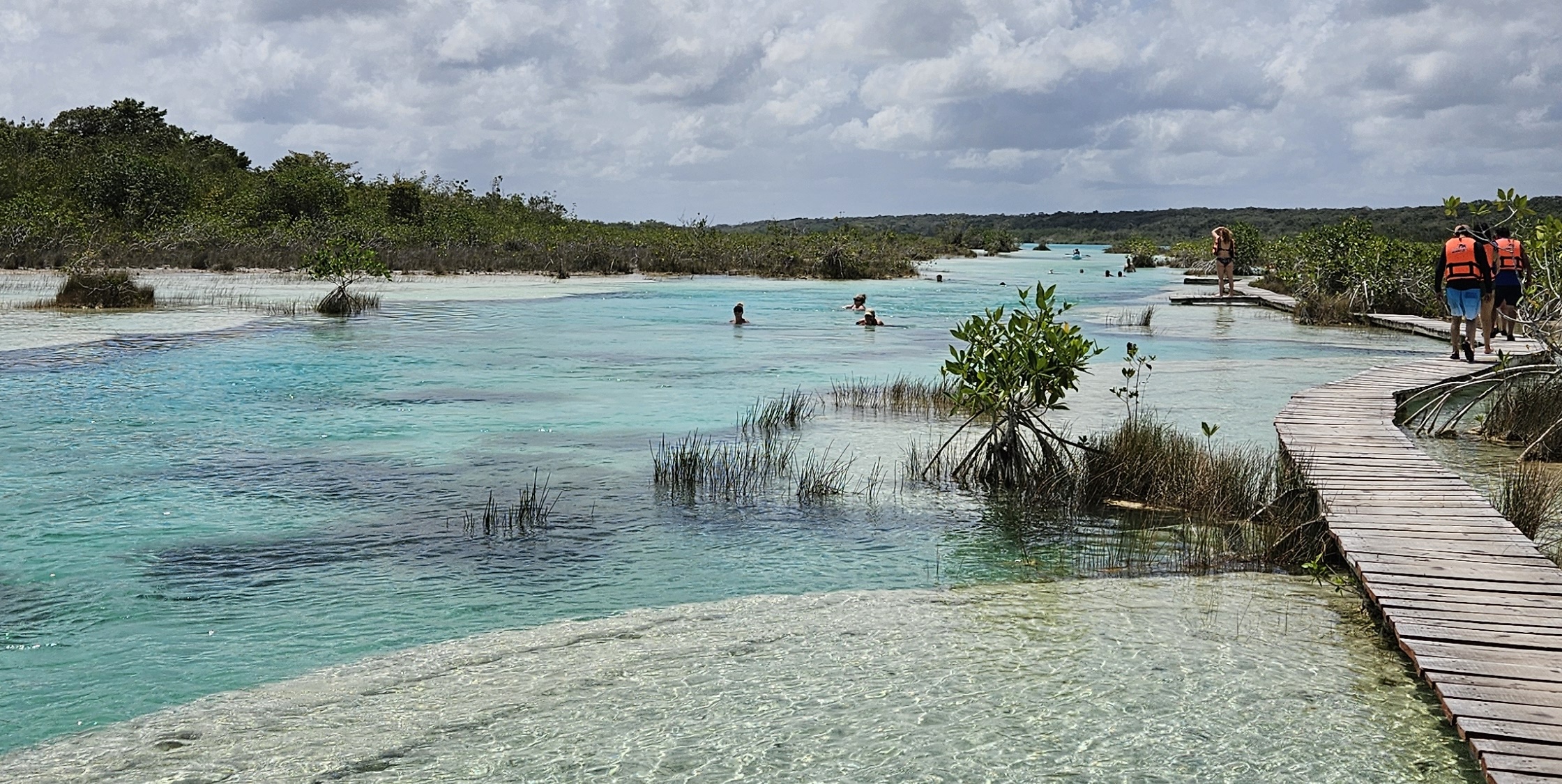
Mexico is a country of incredible diversity, offering destinations that cater to a wide range of interests, from vibrant cities to serene beaches. When choosing safe destinations, it’s beneficial to consider areas known for their tourist-friendly environments. The Yucatan Peninsula, which includes Cancun, Playa del Carmen, Tulum, Merida and Bacalar, is renowned for its safety and attracts millions of visitors annually. These areas are well-patrolled, and local businesses are accustomed to catering to international tourists, which adds an extra layer of security.
Mexico City, the capital, is another excellent choice for travelers seeking a mix of cultural experiences and urban adventure. While it’s a bustling metropolis, many of its neighbourhoods, such as Polanco, Roma, and Condesa, are considered safe and offer a wealth of attractions, including museums, restaurants, and historical sites. Additionally, the city has a robust police presence and extensive public transportation options, making it easier to navigate safely.
For those looking to explore Mexico’s natural beauty, destinations like Oaxaca and San Miguel de Allende provide a combination of safety and charm. Oaxaca, with its rich indigenous culture and stunning landscapes, offers a more laid-back experience, while San Miguel de Allende, known for its colonial architecture and art scene, is also a favorite among expatriates and tourists alike. By selecting destinations known for their safety and tourist infrastructure, travelers can focus on enjoying the beauty and culture of Mexico.
Transportation Safety: Getting Around Mexico
Transportation safety is a critical aspect of travel in Mexico, and understanding the best ways to get around can make a significant difference. When flying into Mexico, it’s advisable to use major airports in well-known cities, as these have stringent security measures and more reliable services. Upon arrival, arranging airport transfers through your hotel or using a reputable ride-sharing app like Uber can provide a safer and more convenient start to your trip.
Public transportation, such as buses and the metro, can be a cost-effective way to travel within cities, but it’s important to remain vigilant. In Mexico City, for example, the metro system is extensive and generally safe during the day, but it can become crowded, increasing the risk of pickpocketing. Opting for first-class buses for intercity travel can offer more comfort and security, as these services often have more stringent safety protocols and amenities.
For traveling from one city to another, Mexico’s ADO bus company is a long-distance bus transportation that can be a cost-effective alternative to travel between cities. These buses are also well maintained and only travel on well-patrolled and safer routes, with many travelers recommending it for affordability, comfort and safety.
Renting a car is another option, especially for exploring more remote or less accessible areas. However, it’s essential to be aware of local driving laws and conditions, which can vary significantly. Always use reputable rental companies and consider renting GPS or ensuring your phone has navigation capabilities. Avoid driving at night, particularly in unfamiliar areas, and stick to well-traveled roads. By choosing safe transportation methods and staying alert, travelers can navigate Mexico more confidently.
Health and Medical Considerations for Travelers
Health and medical considerations are paramount when planning a trip to Mexico. One of the first steps is to ensure you’re up-to-date on all necessary vaccinations. The Centers for Disease Control and Prevention (CDC) recommends vaccines for Hepatitis A and B, Typhoid, and routine vaccinations. Depending on the region and activities planned, additional vaccines, such as those for Rabies or Yellow Fever, might be advised. For Canadian travelers, visit a travel health clinic or talk to a health care provider about 6 weeks before your trip to get personalized health advice and recommendations. Even if your travel date is coming up soon, it’s still worthwhile to make an appointment.
Travel insurance is another critical component of travel health preparation. Ensure your insurance policy covers medical emergencies, including evacuation if necessary. Healthcare in Mexico can range from world-class facilities in major cities to more basic services in rural areas. Knowing the location of nearby hospitals and clinics, especially those catering to international tourists, can provide peace of mind. Many hotels and resorts have medical staff on call, and larger cities often have English-speaking doctors.
Another important health consideration is food and water safety. While Mexican cuisine is a highlight of any visit, travelers should take precautions to avoid foodborne illnesses. Stick to bottled water and avoid ice in drinks unless you’re confident it’s from purified water. When dining out, choose busy restaurants with high turnover and good hygiene practices. Washing hands regularly and using hand sanitizer can also help prevent illness. By taking these health and medical precautions, travelers can enjoy their trip to Mexico with greater confidence and well-being.
Cultural Etiquette and Local Laws
Understanding cultural etiquette and local laws is essential for a respectful and trouble-free experience in Mexico. Mexicans are known for their warmth and hospitality, and showing respect for local customs can enhance your interactions. One key aspect of Mexican culture is the importance of greetings. A simple “Buenos días” (Good morning) or “Buenas tardes” (Good afternoon) when entering a shop or starting a conversation is appreciated and sets a positive tone.
Dress code can vary depending on the region and activity. In beach destinations, casual attire is acceptable, while in cities and more formal settings, dressing modestly and neatly is advisable. When visiting religious sites, such as churches or temples, it’s important to dress conservatively, covering shoulders and knees, to show respect. Being mindful of local customs around tipping, which is generally expected in restaurants and for services, can also help foster goodwill.
Adhering to local laws is crucial to avoid legal trouble. For instance, drug laws in Mexico are strict, and even small amounts of illegal substances can lead to severe penalties. It’s also important to respect rules regarding protected areas and wildlife, as Mexico has numerous natural reserves with specific regulations to preserve their ecosystems. Understanding and following these cultural etiquette guidelines and local laws demonstrate respect for the country and its people, contributing to a more enjoyable and harmonious travel experience.
Emergency Contacts and Resources in Mexico
Having access to emergency contacts and resources is an important aspect of travel safety. Knowing who to call and where to go in case of an emergency can make a significant difference in how quickly and effectively you can get help. The local emergency number in Mexico for police, fire, and medical services is 911, the same as in Canada and the United States. Program this number into your phone and have it readily available.
It’s also useful to know the contact information for your country’s embassy or consulate in Mexico. Embassies can provide assistance with lost passports, legal issues, or emergency evacuations. The U.S. Embassy in Mexico City, for example, offers a range of services for American citizens, and similar support is available from other national embassies. Having this contact information handy can provide a vital resource in times of need. For Canadians, visit the Canadian Embassies website to find the nearest embassy at your travel destination.
In addition to government resources, there are several organizations that can offer assistance to travelers. The Mexican Red Cross (Cruz Roja Mexicana) provides medical assistance and emergency services throughout the country. Many tourist areas also have dedicated tourist police who can assist with safety concerns and provide information. Familiarizing yourself with these resources and having a plan in place can greatly enhance your sense of security while traveling in Mexico.
Conclusion: Embracing the Adventure with Confidence
Traveling to Mexico offers a wealth of opportunities to explore vibrant cultures, stunning landscapes, and historical landmarks. By understanding the safety concerns, staying informed through current travel advisories, and debunking common misconceptions, travelers can prepare themselves for a worry-free trip. Taking practical steps to stay safe, such as choosing secure destinations, practicing situational awareness, and adhering to local customs and laws, further enhances the travel experience.
Transportation safety, health considerations, and emergency preparedness are all crucial components of a well-planned trip. By ensuring you have the necessary vaccinations, travel insurance, and knowledge of local emergency resources, you can navigate any challenges that may arise. Respecting cultural etiquette and local laws not only helps avoid trouble but also enriches your interactions with the local community, making for a more meaningful and enjoyable journey.
Ultimately, embracing the adventure with confidence comes down to preparation and awareness. Mexico has so much to offer, from its bustling cities and pristine beaches to its rich history and culinary delights. With the right mindset and precautions, you can explore this beautiful country and create lasting memories. So pack your bags, stay informed, and get ready to experience the magic of Mexico with confidence and enthusiasm.
Leave a Reply